

NZ is lowering its emission targets because achieving the current range would be impractical and could create economic uncertainty.

NZ is lowering its emission targets because achieving the current range would be impractical and could create economic uncertainty.

Iran's capital, Tehran, with a population of nearly 10 million, is considering evacuating its residents amid its worst drought in decades.
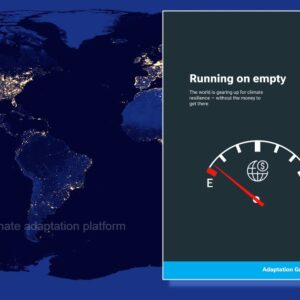
The Adaptation Gap Report provides updates on global progress in planning, implementation, and finance for adaptation to climate change.
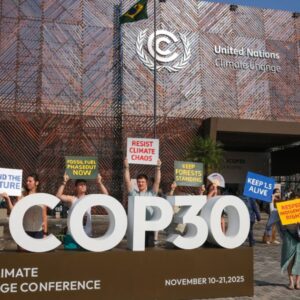
The 30th United Nations Climate Change Conference (COP30) in Belém, Brazil, took place from November 10 to 21, 2025. As the first COP to be hosted in the Amazon, the conference will spotlight connections between climate, biodiversity, food systems, and the rights of Indigenous Peoples and local communities. The first Conference of the Parties (COP)...
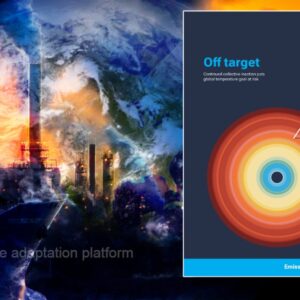
The UN Environment Programme (UNEP) released its "Emissions Gap Report 2025: Off Target", which shows that the 1.5°C target is unattainable.
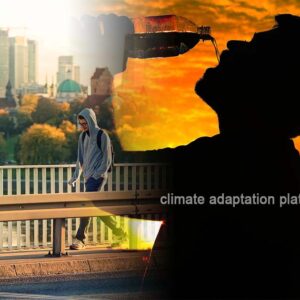
A Nature study shows heatwaves are pushing poorer US households to drink more sugar-sweetened beverages, raising health concerns.

Learn how Texas’s prairie restoration projects are helping protect clean water sources while combating drought and climate change.
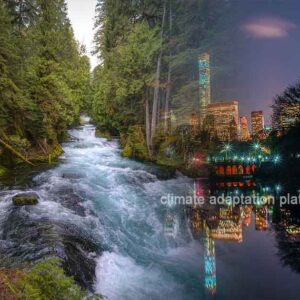
Discover how New York City protects its world-class drinking water through a sustainable watershed forest management system.
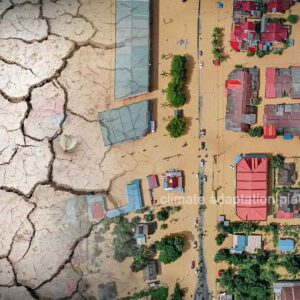
Community-driven restoration efforts in South Africa are improving water access, reducing flood risks, and strengthening water resilience.
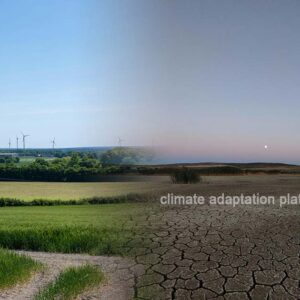
The National Climate Risk Assessment predicts more extreme heat, floods, and economic losses unless emissions fall sharply.