

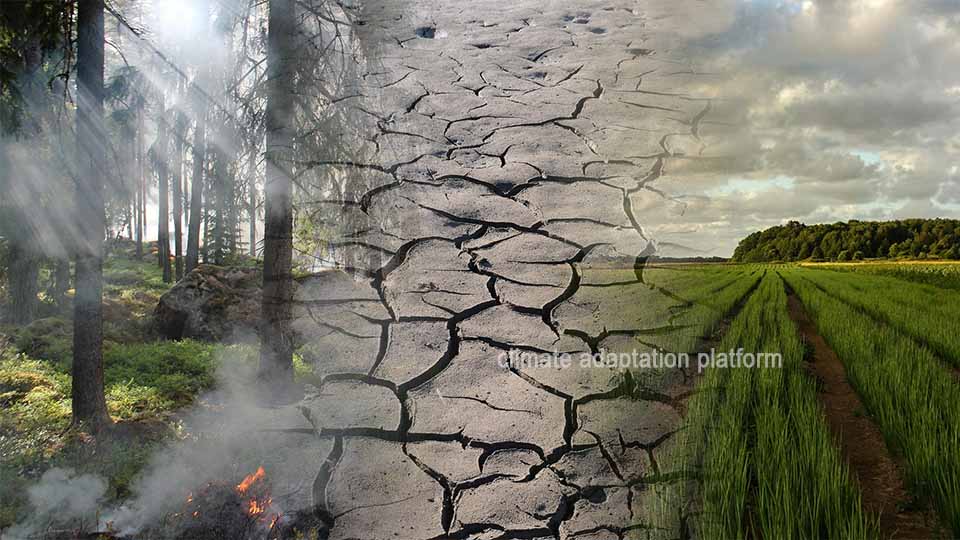
Climate change is often framed as one of the most pressing crises of our time, due to its wide-ranging negative impacts, including extreme weather events, environmental degradation, and risks to human health.
Rising global temperatures are driving more frequent and intense heatwaves, droughts, and wildfires, while also fuelling stronger storms and hurricanes.
Unequal impacts across regions
The impacts of climate change are not evenly distributed across the globe. The most vulnerable populations, including least developed countries (LDCs), small island developing states (SIDS), coastal communities, and those in low-latitude tropical regions, face the most severe consequences.
These areas are expected to experience more intense heatwaves, prolonged droughts, food and water insecurity, and increased wildfire risk.
Are there any benefits to climate change?
While climate change is overwhelmingly harmful, some studies suggest there may be limited and localised benefits. According to NASA, one potential advantage is a reduction in cold-related deaths in colder regions.
In the short term, agricultural productivity in northern latitudes may improve due to longer growing seasons. Farmers in these regions could cultivate crops that were previously unsuitable for their climate. Elevated carbon dioxide (CO₂) levels may also enhance plant growth and improve drought resistance.
However, these benefits come with trade-offs. Warmer conditions can also encourage the spread of weeds, invasive species, and pests. In water-scarce regions, increased dryness will place additional strain on both crops and farmers.
Regional opportunities and trade-offs
An article on 24/7 Wall St identifies some countries that will benefit from climate change. In the Arctic, the melting of sea ice may open up new shipping routes, such as the Northwest Passage, potentially shortening trade routes between Europe and Asia.
Some regions may experience temporary advantages due to climate change. For instance, increased rainfall in certain areas of North Africa could benefit countries like Egypt, especially with infrastructure such as the Aswan High Dam, which helps regulate the water supply.
Similarly, Scandinavian countries, including Norway, Sweden, and Finland, may enjoy milder climates and improved agricultural conditions. Their strong capacity to adapt, supported by technological advancements and early climate action, further enhances these benefits.
Arctic nations such as Canada, Russia, and Greenland may gain access to new natural resources and agricultural land as ice melts. Canada, for instance, could see significant expansion in arable land and potential economic growth.
A temporary and uneven advantage
Despite these potential benefits, scientists emphasise that they are likely to be temporary, unevenly distributed, and outweighed by the broader negative impacts of climate change.
Regions that may benefit are typically wealthier and better equipped to adapt, while low-income communities and vulnerable populations face disproportionate risks.
Climate change poses more challenges than it does opportunities. Effective climate change policies must prioritise the protection of vulnerable communities, enhance climate adaptation efforts, and ensure that any potential benefits do not jeopardise long-term environmental and social stability.
Sources:
The Effects of Climate Change. (2024, October 23). NASA. Retrieved from https://science.nasa.gov/climate-change/effects/
Herring, D. (2020, October 29). Are there positive benefits from global warming? NOAA. Retrieved from https://www.climate.gov/news-features/climate-qa/are-there-positive-benefits-global-warming
Nassabi, S. (2023, April 3). Can climate change have positive outcomes? The Green Side of Pink. Retrieved from https://www.thegreensideofpink.com/society/2023/can-climate-change-have-positive-outcomes/?lang=en
Wood, D. (2024, October 15). These Countries Stand to Benefit Most from Climate Change. 24/7 Wall St. Retrieved from https://247wallst.com/weather/2024/10/15/the-countries-that-stand-to-benefit-most-from-climate-change/
Leave a Reply