

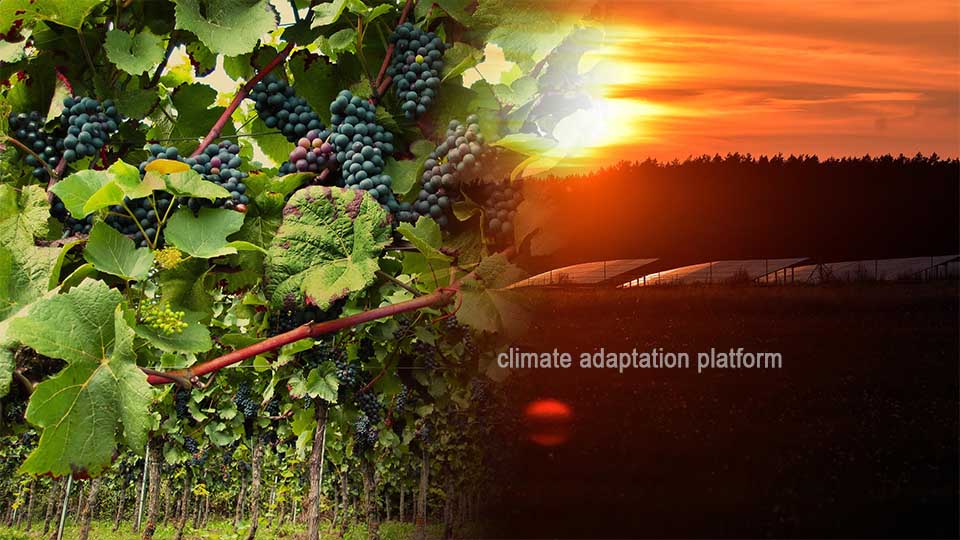
Vitivoltaics, a term blending viticulture and photovoltaics, is more than a catchy phrase. It represents an emerging technology helping grape growers, particularly in Germany, adapt to the growing impacts of climate change.
This innovation is being applied to Riesling, a grape variety especially sensitive to climatic shifts. Rising temperatures cause vines to bud earlier, increasing their vulnerability to late frosts.
Excessive heat and sunlight also alter grape composition, changing the balance of sugar and acidity and ultimately affecting wine quality and taste. In addition to heat stress, vineyards are increasingly exposed to hail, heavy rainfall, and frost events.
Climate change is not the only challenge facing grape growers. Many viticulturists are also grappling with shifting consumer preferences, trade tariffs, rising production costs, and market oversupply. Together, these pressures threaten both the economic viability and long-term sustainability of wine production.
How Vitivoltaic systems work
An article by DW, “Solar energy protects German vineyards from climate change”, highlights vitivoltaics as a promising solution that could support vineyards in Germany and beyond.
Vitivoltaic systems involve installing solar panels above grapevines, positioned high enough to allow agricultural machinery to pass underneath. The panel structures also provide physical support for vines, while semi-transparent modules act as a protective canopy, shielding grapes from hail and intense sunlight. A tracking system enables the panels to adjust their angle throughout the day to optimise solar energy generation.
Integrated technologies further enhance vineyard resilience. Drip irrigation systems, frost-protection heating wires, and multiple sensors measuring soil moisture, temperature, and light levels are embedded within the structure. The electricity generated powers these systems as well as farm equipment, including pumps, agricultural vehicles, and autonomous caterpillar robots that mulch, cultivate soil, manage undergrowth, and apply plant-protection products.
Global trials and adaptation potential
Vitivoltaics are not limited to Germany. In Australia, the University of Adelaide’s Waite Campus is trialling the technology on Merlot grapevines to study how photovoltaic shading affects vine growth and grape quality. Initiated during the 2023–2024 growing season, the trials will continue over several years to ensure consistent, repeatable data.
Researchers are monitoring canopy development, grape yield, and fruit chemistry, alongside the system’s energy performance and economic viability. The project also evaluates alternative income streams, reduced energy costs in wine production, and enhanced climate resilience through shading and canopy protection. An industry partner has already expressed interest in adopting the system commercially (Investigating the effect, 2025).
A flexible, low-carbon solution for viticulture
Vitivoltaics offer a comprehensive, integrated system for the wine industry. Energy is required at every stage from vine cultivation and harvesting to wine production, storage, and logistics, and vitivoltaic systems help meet these needs sustainably.
Simplified, customised versions are also available. On steep terrain, solar panels can be suspended from steel cables, while autonomous machinery manages labour-intensive tasks on slopes. These adaptable designs make the technology suitable for a variety of vineyard landscapes.
Vitivoltaic technology represents a significant advancement for viticulture, particularly in climate-vulnerable regions. Combining renewable energy generation with crop protection and smart farming systems strengthens vineyard resilience, supports consistent wine quality, and offers a practical pathway for climate adaptation in the global wine industry.
Learn more about vitivoltaics via the links below.
Source:
Duda, M. (2025, November 30). Solar energy protects German vineyards from climate change. DW. Retrieved from https://www.dw.com/en/germany-vineyards-climate-change-solar-energy-riesling/a-74849301
Investigating the effect of shading on grapevine performance and wine quality under vitivoltaic systems. (2025). Wine Australia. Retrieved from https://www.wineaustralia.com/research_and_innovation/projects/investigating-the-effect-of-shading-on-grapevine-performance-and-wine-quality-under-vitivoltaic-syst
Leave a Reply