

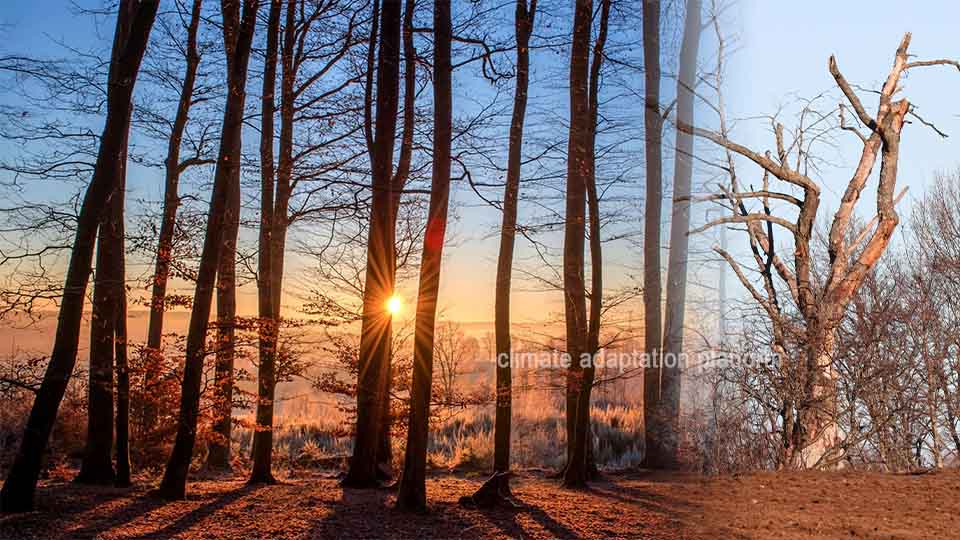
Ghana’s forests are shrinking, fuelled by the world’s insatiable demand for chocolate. According to the World Economic Forum (WEF), deforestation in Ghana is accelerating at an alarming pace.
The country is losing more than 3% of its forest cover annually, one of the highest deforestation rates in Africa. In 2021 alone, Ghana lost approximately 101,000 hectares of natural forest, largely driven by cocoa expansion.
Despite this, Ghana’s government, conservation organisations, and the chocolate industry remain cautiously optimistic that the country can meet future cocoa demand while reversing its deforestation trend.
Cocoa production holds enormous economic significance due to the global love of chocolate. The global chocolate trade is estimated to be worth around US$1 trillion annually, underscoring both its commercial value and its environmental footprint.
Cocoa’s role in Ghana’s economy and forest loss
The WEF notes that Ghana supplies around one-fifth of the world’s cocoa and employs approximately 800,000 farmers, making cocoa production a cornerstone of the national economy.
Cocoa, however, is not native to Ghana. It was introduced in 1876 by Tetteh Quarshie, a local blacksmith who brought cocoa pods from Equatorial Guinea. Since then, cocoa has become one of Ghana’s most important export crops.
Historically, cocoa thrived in Ghana because it was cultivated under forest canopies, mimicking its natural growing conditions in the Amazon Basin, where cocoa plants grow best in moist, shaded environments. For generations, farmers practised shaded cocoa farming alongside native forest trees, allowing cocoa cultivation to coexist with forest ecosystems.
In the late twentieth century, however, efforts to increase production led to widespread forest clearing to create cocoa monocultures. While this initially boosted yields, the long-term consequences have been severe.
Cocoa trees now have shorter productive lifespans, are more vulnerable to pests and disease, and contribute to biodiversity loss, soil degradation, and declining forest resilience.
Agroforestry as a pathway to forest protection
A World Resources Institute (WRI) article highlights agroforestry as a promising solution to protect Ghana’s forests while improving farmers’ livelihoods. Across the country, a growing number of farmers are diversifying their farming systems rather than relying solely on cocoa production.
Some communities are investing in beehives and planting native tree species alongside cocoa crops, rather than clearing additional forest land. This approach has delivered multiple benefits: honey sales provide an additional income stream, while bees improve cocoa yields through pollination. At the same time, native trees enrich soils, retain moisture, and support biodiversity.
Restoring degraded land and strengthening farmer resilience
In areas where forests have been severely degraded, farmers are restoring land by planting endangered native species alongside commercially valuable trees. As forest cover recovers, farmers are seeing tangible benefits, including improved rainfall patterns, healthier soils, and increased crop productivity.
Others are planting fruit trees such as mango, coconut, and orange to shade cocoa plants, improve soil quality, and create alternative income sources. These diversified systems provide greater resilience when cocoa prices fluctuate, helping farmers withstand market volatility and climate-related shocks.
Ghana faces a complex challenge: balancing a thriving cocoa industry with the urgent need to conserve its remaining forests. The shift towards agroforestry offers a viable and hopeful path forward.
By integrating native trees, restoring degraded land, and diversifying crops, farmers are not only protecting Ghana’s forests but also strengthening their livelihoods against climate change, land degradation, and economic uncertainty.
Sources:
Amoako, A., & Salgueiro, A. (2025, October 15). World Resource Institute. Retrieved from https://www.wri.org/insights/restoring-land-ghana-cocoa-belt?utm_campaign=wridigest&utm_medium=email&utm_source=wridigest-2025-10-15
Gayle, D. (2023, May 22). Cocoa planting is destroying protected forests in west Africa, study finds. The Guardian. Retrieved from https://www.theguardian.com/environment/2023/may/22/cocoa-planting-is-destroying-protected-forests-in-west-africa-study-finds
Ghana has one of the highest rates of deforestation in all of Africa. (2025). World Economic Forum. Retrieved from https://www.weforum.org/forests-for-climate/ghana-something-to-get-excited-about/
Leave a Reply