

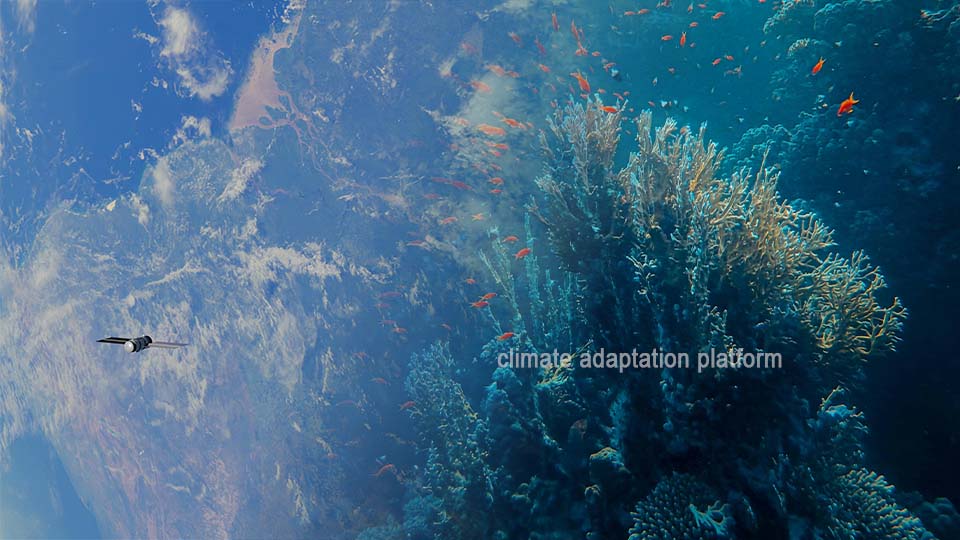
The “High Seas Treaty” entered into force on January 17, 2026, a turning point in the conservation of the planet. The High Seas Treaty, formally known as the Agreement on Biodiversity Beyond National Jurisdiction (BBNJ), covers ocean areas that are beyond any country’s national jurisdiction, known as the high seas and the deep seabed, which make up 61% of the ocean and cover 43% of Earth’s surface, amounting to two-thirds of the biosphere by volume.
These areas host an exceptional level of biodiversity, from pelagic fish such as tuna to deep-sea sponges. Scientists estimate there are still over 2 million yet-to-be-identified species in the high seas, and little is known about deep-sea coral reefs.
However, scientists expect increasing pressure in the high seas from the effects of climate change, ocean acidification, overexploitation, and biodiversity loss. The High Seas Treat addresses these challenges, particularly the mounting demand for marine resources for food, medicine, energy, and other uses.
Read our previous blog post on the four specific areas the High Seas Treaty focuses on: High Seas Treaty Gains Momentum at 3rd UN Ocean Conference.
The Agreement has so far been ratified by 81 Parties, including the EU and 16 of its Member States, and signed by 145 countries in September 2025, and has officially entered into force on January 17, 2026. From this date, the ratifying countries are legally bound by the agreement to support conservation and sustainable management of high‑seas biodiversity.
However, those who have signed but not ratified the treaty are not currently legally required to fulfil its requirements, but they are committed to refraining from activities that contradict its objectives. Click to see the UN Treaty Collection to see the countries that have signed and ratified the treaty.
What’s next after the High Seas Treaty has been ratified?
According to the WRI, the treaty will operate within existing legal frameworks, including Regional Fisheries Management Organisations (RFMOs) and current fisheries agreements.
This means RFMOs will retain their authority to set quotas and fishing regulations within their jurisdictions, while the treaty will influence how fisheries operate on the high seas.
The WRI notes that the High Seas Treaty’s entry into force is just the beginning of implementation. To ensure effectiveness, parties must establish strong governance structures and frameworks.
The BBNJ Preparatory Commission (PrepCom) is currently developing the treaty’s operational arrangements ahead of the first Conference of the Parties (COP), with preparatory meetings held in April and August 2025 at UN Headquarters in New York. A final session is scheduled for March 23-April 2, 2026.
These meetings enable governments and negotiators to develop recommendations on key elements of the treaty:
- Forming governing structures.
- Outlining the roles and responsibilities of institutions, such as those that provide data and scientific and technical advice.
- Creating tools and mechanisms to ensure equitable implementation of the treaty.
- Establishing systems to ensure funding and technical knowledge are distributed so all member states can fully participate.
Sources:
Swift, A. & Pickerell, T. (2026, January 15). After 20 Years, an Agreement to Safeguard the ‘High Seas’ Takes Force. World Resources Institute. Retrieved from https://www.wri.org/insights/high-seas-treaty-explainer
Game-changing international ocean treaty comes into force. (2026, January 15). United Nations. Retrieved from https://news.un.org/en/story/2026/01/1166762
United Nations Treaty Collection. Retrieved from https://treaties.un.org/Pages/ViewDetails.aspx?src=TREATY&mtdsg_no=XXI-10&chapter=21&clang=_en
Leave a Reply