

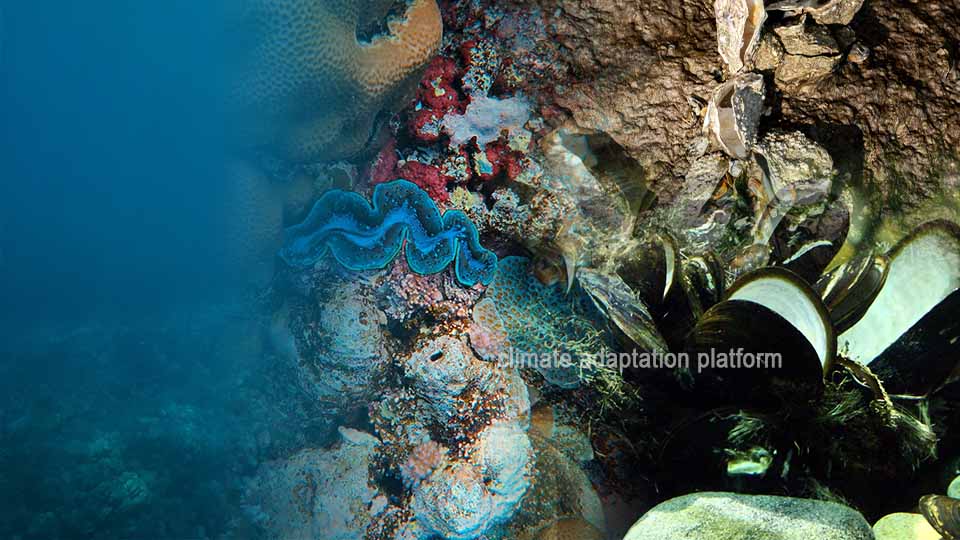
Mussels, oysters, clams and other bivalves are an excellent source of protein, vitamins and minerals, making them an important addition to global diets.
For example, mussels contain around 24 grams of protein per 100 grams, while clams provide approximately 26 grams, comparable to beef (26 grams) and chicken (27 grams) per 100 grams.
The essential nutrients supplied by bivalves could meet the dietary requirements of nearly one billion people in the world’s most vulnerable populations, positioning them as a viable and sustainable alternative to intensively farmed meats such as beef.
While previous research has shown that climate–driven ocean warming and acidification affect the nutritional quality of bivalve lipids, far less is known about how changes in oceanic dissolved oxygen (DO) influence their nutritional value.
Climate change, dissolved oxygen, and bivalve nutrition
A study titled “Effects of climate change-induced dissolved oxygen changes on the lipid nutritional quality of bivalves”, published in the NPJ Science of Food in December 2025, investigates how climate-driven changes in dissolved oxygen affect the lipid nutritional quality of bivalves, including mussels, oysters, clams, scallops, and cockles.
Lipid nutritional quality refers to essential dietary fats, particularly long-chain polyunsaturated fatty acids (LC-PUFAs) such as omega-3 fatty acids EPA and DHA, that are vital for human health.
These fats play a crucial role in foetal development and in supporting cardiovascular and cognitive health. In addition, bivalves have a significantly lower carbon footprint than most livestock, reinforcing their role as a low-carbon, climate-friendly food source.
Regional differences in bivalve responses
The study finds that the effects of dissolved oxygen on bivalve lipid quality vary significantly by both geographic region (tropical, subtropical, and temperate) and bivalve group.
In tropical regions, the lipid nutritional quality of clams and cockles appears particularly sensitive to changes in DO, showing greater reductions in EPA + DHA content and PUFA/SFA ratios compared to mussels and oysters.
Between mussels and oysters, mussels experience a greater decline in lipid quality, suggesting that oysters are more tolerant of hypoxic conditions.
In temperate regions, bivalves inhabiting cooler waters, such as mussels, clams, and scallops, generally benefit from reduced DO, which is associated with increased lipid nutritional quality. Oysters are an exception, as they tend to show a decrease in PUFA/SFA ratios under reduced DO conditions.
Results for subtropical species are mixed. Slight reductions in DO typically lead to declines in lipid quality, while more substantial reductions are associated with improved lipid nutritional profiles.
Overall, the findings indicate that tropical bivalve species are the most vulnerable to DO-related nutritional changes, whereas temperate species demonstrate greater metabolic resilience.
These differences are closely linked to regional water temperatures and the varying capacity of bivalve groups to adapt to environmental stressors.
Implications for aquaculture and food security
The study provides valuable insights into how climate change may affect the nutritional value of bivalves and offers practical guidance for aquaculture and fisheries management. By tailoring farming strategies to local conditions, producers can help safeguard both yield and nutritional quality.
For example, in tropical regions, farmers may prioritise mussel and oyster farming over clams and cockles, which appear more vulnerable to DO-related declines in lipid quality.
In subtropical areas, careful monitoring and management of dissolved oxygen, such as through aeration, are essential, as even modest declines can negatively affect most bivalve species.
In temperate regions, however, farms operating in areas with natural DO fluctuations face fewer challenges, as many bivalves maintain or even enhance their lipid quality under lower oxygen conditions.
As climate change continues to alter ocean conditions, understanding and adapting to these dynamics will be critical to sustaining bivalves as a nutritious, low-carbon food source for a growing global population.
Find out more by reading the complete study through the link in the “Source” section below.
Source:
Zhang, H., Li, Z., Choong, K., Hao, Y., Xie, B., Cheong, K., Farhadi, A., & Tan, K. (2025). Effects of climate change-induced dissolved oxygen changes on the lipid nutritional quality of bivalves. Npj Science of Food, 9(1), 260. https://doi.org/10.1038/s41538-025-00620-7
Leave a Reply