

The ND-GAIN Country Index ranks nations by climate vulnerability and readiness. See which countries are most and least prepared to adapt.
The ND-GAIN Country Index ranks nations by climate vulnerability and readiness. See which countries are most and least prepared to adapt.
Animals worldwide are shifting breeding and migration timing in response to climate change, showing adaptation and phenological flexibility.

New Zealand faces rising landslide risks, but technologies like LiDAR and RAMMS now help map hazards and protect vulnerable communities.
Despite global promises, fossil fuel production and climate risks are rising while adaptation efforts and funding lag behind urgent needs.
A major study reveals how rising temperatures are quietly cutting incomes and increasing economic losses in the United States.
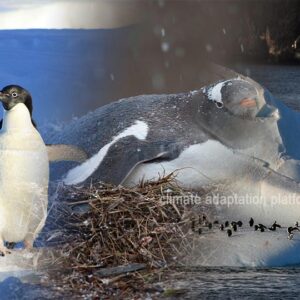
Antarctic penguins are breeding up to 10 days earlier per decade as rising temperatures reshape ecosystems and survival strategies.
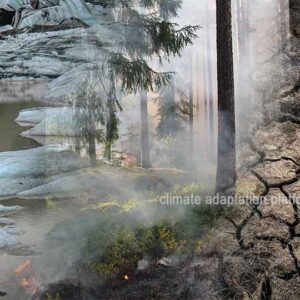
The third warmest year on record, 2025 highlights accelerating global warming and rising risks of dangerous climate tipping points.

Climate change is increasing tree deaths in Australia, threatening forests' ability to store carbon and regulate the climate, a study says.
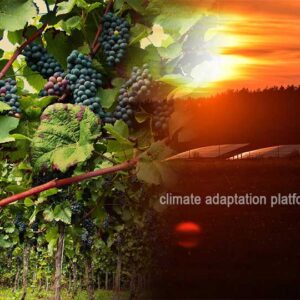
Vitivoltaics offer a climate-smart solution for winemakers, blending renewable energy with crop protection and sustainability.
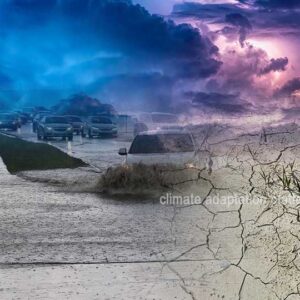
Asia faces a triple water crisis—pollution, scarcity, and floods—threatening billions due to climate change and underinvestment.