

Explore how the Weave Framework empowers Pacific Island nations to integrate local and scientific knowledge in climate adaptation.
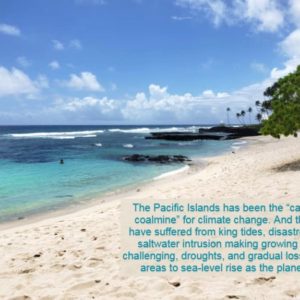
Explore how the Weave Framework empowers Pacific Island nations to integrate local and scientific knowledge in climate adaptation.
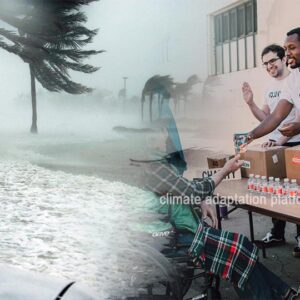
Bangladesh’s cyclone preparedness saves lives—but gaps remain. Explore key findings on resilience, evacuation, and recovery.
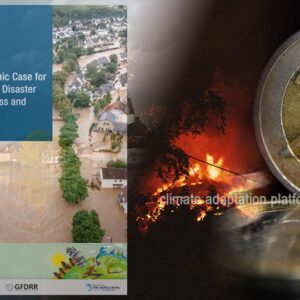
Climate disasters have cost Germany €80 billion; losses projected to reach €900 billion by 2050, underscoring the urgent need for resilience.
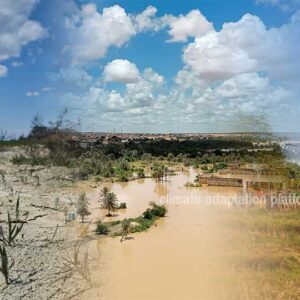
Learn how Malawi is strengthening early warning systems to protect communities from climate disasters, save lives, and build resilience.
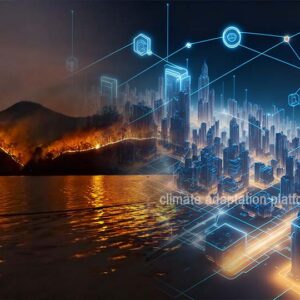
Discover how AI is transforming disaster response with faster data analysis, improved resilience, and smarter decision-making in emergencies.

New Zealand faces rising landslide risks, but technologies like LiDAR and RAMMS now help map hazards and protect vulnerable communities.
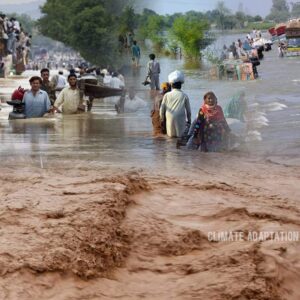
Deadly monsoon floods in Pakistan have killed over 1,000, displaced millions, and shown the urgent need for climate adaptation measures.
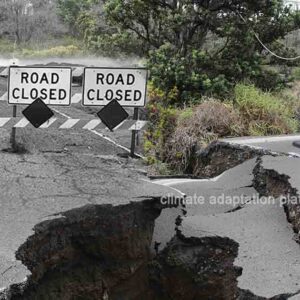
Discover the unintended consequences of highway closures on nearby streets, including pavement deterioration and increased maintenance costs.
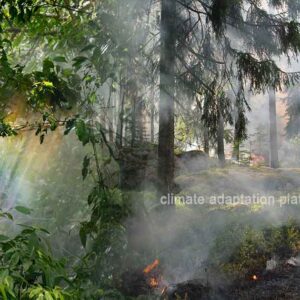
Wildfires caused over half of the loss of tropical primary forests in 2024, marking a historic high in the drivers of global deforestation.
Microsoft’s AI model, Aurora, delivers faster and more accurate Earth system forecasts, surpassing traditional climate and weather models.