

Malawi is a landlocked country in southeastern Africa. The Human Development Index ranks Malawi among the world’s poorest countries, placing it 172nd out of 189. More than 50% of its population lives in poverty, and one-fifth in extreme poverty.
The country also has a high prevalence rate of HIV/AIDS. Access to clean water, sanitation, and health care remains a significant challenge for many Malawians, especially in rural areas.
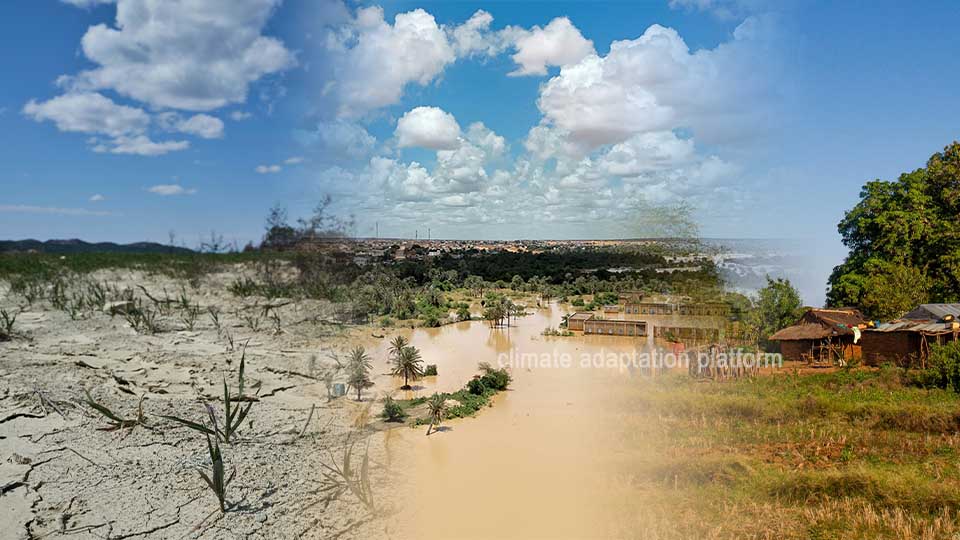
The country’s poverty, inadequate essential services, and infrastructure add to its climate vulnerability to extreme weather events and shocks. Climate-related challenges include intense rainfall, floods, seasonal droughts, multi-year droughts, dry spells, cold spells, strong winds, thunderstorms, landslides, hailstorms, mudslides, and heat waves, among many others. These climatic hazards lead to poor health outcomes, while droughts worsen Malawi’s malnutrition rates.
The United Nations Development Programme (UNDP) states, “The increasing prevalence of the recurrent floods and droughts is of major concern to the Government of Malawi because of their far-reaching consequences on food, water, health, and energy.
Erratic rainfall has led to severe crop failure, despite concerted efforts to improve seasonal weather forecasting at the start of the rainy season. Crop failure has resulted in food insecurity and malnutrition, especially among vulnerable rural communities.
On the other hand, floods have resulted in the disruption of hydroelectric power generation, water pollution, and increased incidences of diseases, such as malaria, cholera, and diarrhea.”
Malawi’s climate change vulnerability, as highlighted by the UNDP, underscores the need to address its impacts.
Early warning provides a crucial heads-up, allowing people to get out of the way of danger before extreme weather arrives, significantly saving lives, livelihoods, and property.
Forecasts and warnings also give people time to prevent or minimise damage to livelihoods and economic assets. Yet often, the poorest and most threatened countries, including Malawi, have limited forewarning systems or services (Saving Lives, 2026).
Malawi is emerging as a model for climate‑vulnerable nations by uniting political leadership, communities, and international partners to strengthen early warning systems under the Climate Risk and Early Warning Systems (CREWS) initiative. During a high‑level four‑day mission, officials launched the national Early Warnings for All Roadmap, aimed at improving coordination, sustainable financing, and community‑focused early action.
During a high‑level four‑day mission to Malawi’s rolling plateaus and remote villages, officials from the Climate Risk and Early Warning Systems (CREWS) and UNDRR, along with delegates from the Malawi government, launched the national Early Warnings for All Roadmap, aimed at improving coordination, sustainable financing, and community‑focused early action.
The Climate Risk and Early Warning Systems (CREWS) initiative provided US$ 3.84 million to the Early Warnings for All initiative.
“The new US$ 3.84 million initiative to strengthen Malawi’s capacity to generate, process, and share high-quality weather and climate data and close gaps in the basic observing network was launched by Malawi’s Department of Climate Change and Meteorological Services (DCCMS), in partnership with the United Nations Development Programme (UNDP) and the Systematic Observations Financing Facility (SOFF).” Adding that, “It will also enhance evidence-based decision-making and improve access to tailored early warnings that protect lives, livelihoods, and property across Malawi” (Malawi mobilises, 2026).
Partners, including the CREWS, WMO, UNDRR, and Malawi government, emphasised the importance of translating investments in data and forecasting into community-level early action, while outlining a clear way forward focused on operationalising end-to-end early warning systems, closing capacity gaps, and mobilising sustainable financing to ensure that no one is left behind.
Malawi’s Minister of Finance, Joseph Mwanamvekha, highlights the economic importance of early warning services in a country highly exposed to climate-related hazards, as well as the need for sustained partner engagement to ensure long-term support and strong national ownership of weather and climate services.
“The climate crisis is already leading to more devastating disasters. This makes investing in disaster risk reduction more urgent than ever, and multi-hazard early warning systems are among the most powerful tools for protecting lives and livelihoods. Through the Early Warnings for All initiative, and in collaboration with the CREWS initiative, we have a unique opportunity to extend this protection to every person in Malawi and around the world,” said Kamal Kishore, Head of the UN Office for Disaster Risk Reduction (Malawi mobilises, 2026).
Sources
Malawi mobilises government and community commitment to early warnings. (2026, February 12). World Meteorological Organisation. Retrieved from https://wmo.int/media/news/malawi-mobilizes-government-and-community-commitment-early-warnings
Saving lives and livelihoods with early warning. (2026). CREW. Retrieved from https://crews-initiative.org/fr/home/
Malawi. (2026). Action on Poverty. Retrieved from https://actiononpoverty.org/our-impact/where-we-work/malawi/#
Malawi. (2026). UNDP Climate Change Adaptation. Retrieved from https://www.adaptation-undp.org/explore/africa/malawi#
Leave a Reply