

Protein takes centre stage in new US dietary advice. Explore its health benefits and environmental implications.

Protein takes centre stage in new US dietary advice. Explore its health benefits and environmental implications.
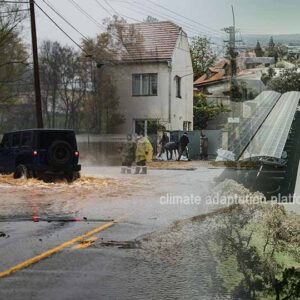
Rising ocean temperatures are threatening South Korea’s aquaculture, with potential losses reaching billions under future climate scenarios.
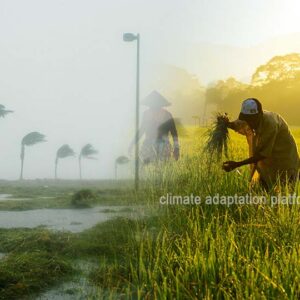
Agroecology and Indigenous knowledge are helping build climate-resilient food systems in the Philippines amid rising extreme weather risks.
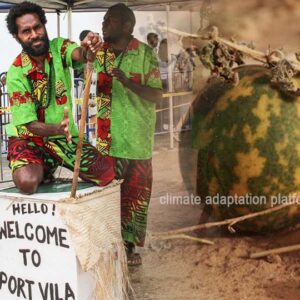
Vanuatu faces food security threats from climate change and globalisation, with local efforts to preserve traditional crops and resilience.
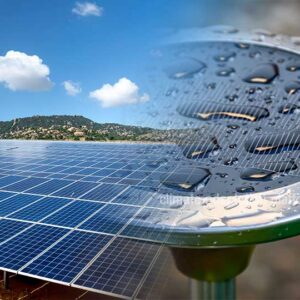
Discover how Japan’s Sphelar technology could transform solar power with spherical cells that absorb light from multiple directions.

Compounded resilience helps integrate low-carbon development and climate risk reduction into US infrastructure systems.
The ND-GAIN Country Index ranks nations by climate vulnerability and readiness. See which countries are most and least prepared to adapt.
Animals worldwide are shifting breeding and migration timing in response to climate change, showing adaptation and phenological flexibility.

New Zealand faces rising landslide risks, but technologies like LiDAR and RAMMS now help map hazards and protect vulnerable communities.
The High Seas Treaty, in force since January 2026, unites countries to protect ocean biodiversity and promote sustainable use of the seas.